
Shop the collection
Supplies - Beading Needles
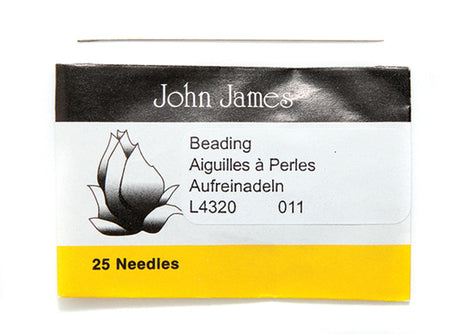
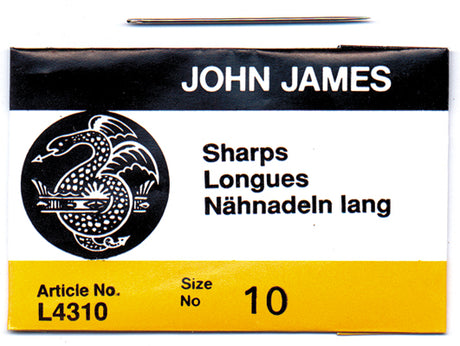
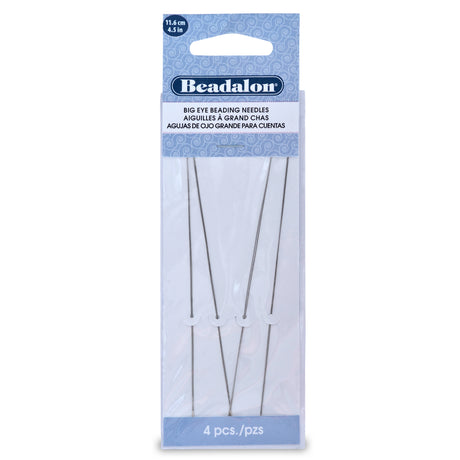
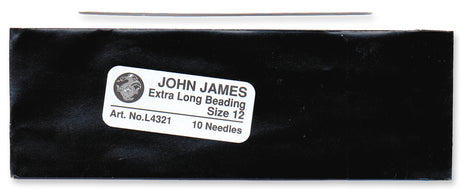
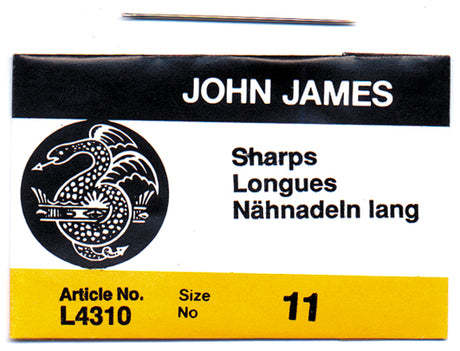
Beading needles for beadweaving, loomwork, bead embroidery and stringing: John James beading needles and short sharps, long loom needles, big-eye and collapsible-eye needles, stretch cord needles, glover needles and assortments.
A higher number is a finer needle: size 10 is easiest for beginners, 12 is the all-round weaving size, and 13 or 15 handle 15/0s and fine antique beads. Short sharps give more control; long needles pick up a full loom row. Big-eye needles are for stringing, not multi-pass weaving.


Best sellers


ZB19828
Long Eye English Beading Tapestry Needle Size #28
Quantity: 4 Pieces
Low stock (6 units)$550Unit price
FI285-MS
Griffin Twisted Needle Medium .36mm 3.5inch
Quantity: 25 Pieces
Very low stock (1 unit)$1395Unit price Sold out

FI285-CB10
Colonial Twisted Wire Needle #10 CB-TW-10
Quantity: 5 Pieces
Low stock (9 units)$1235Unit price
FI285-CB8
Colonial Twisted Wire Needle #8(CB-TW-8)
Quantity: 5 Pieces
Low stock (6 units)$1395Unit price
FI285-CBX
Colonial Twisted Wire Needle Assorted CB-TW-ASST
Quantity: 20 Pieces
Low stock (4 units)$2995Unit price
-


Czech Out Our HUGE Selection of Druks
View all-
Sold out
-
 Sold out
4RD585-OPR
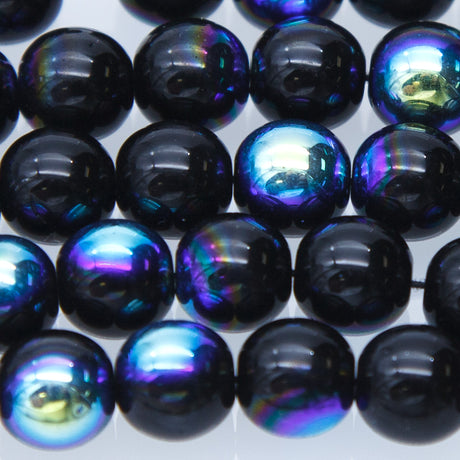
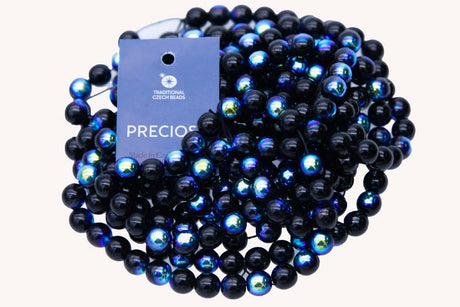
Preciosa Ornela Round Turquoise Green Aurora Borealis Finish 4mm
Quantity: 100 Pieces
$440Unit price -

![8RD509R: CZ Round Black AB 8mm - 25 Pc]()

-
 Sold out
4RD112-83R
Preciosa Ornela Round Green Marble With Luster 4mm - - 100 Piece Pack
Quantity: 100 Pieces
$540Unit price -
 Sold out
-
-
-
Sold out





Supplies - Beading Needles
Good to know
- Higher needle number, finer needle: size 10 is easiest for beginners, 12 is the all-round beadweaving size.
- Use size 13 for 15/0 beads and many passes, and size 15 for very fine antique beads.
- "Sharps" are short needles for control; long needles pick up many beads at once for loom rows.
- English needles like John James are long, thin and flexible, and they curve with use.
- Big-eye and twisted-wire needles are for stringing cord and silk, not multi-pass beadweaving.
Questions & answers
How do beading needle sizes work?
Like seed beads, a higher needle number means a finer needle: size 10 is the easiest for beginners, 12 is the all-around beadweaving size, and 13 or 15 handle 15/0s and very fine beads. Choose by the smallest bead in your design and how many times your thread will pass through it.
What size beading needle should I use for my seed beads?
For 8/0 and 11/0 seed beads, a size 10 or 12 needle works well; for 15/0 and smaller, use a 12 or 13; very fine antique beads may need a 15. If your pattern makes many passes through the same beads, go one needle size finer.
Can I use a big-eye needle for beadweaving?
Big-eye and twisted-wire needles are made for stringing (stretch cord, silk, bead crochet), not multi-pass beadweaving. For weaving, use a regular beading needle in size 10 to 13.
What's the difference between sharps and long beading needles?
In beading needles, "sharp" means short, not pointier. Short sharps give more control and break less often, while long needles pick up many beads at once, which suits loom rows.
How do I thread a beading needle?
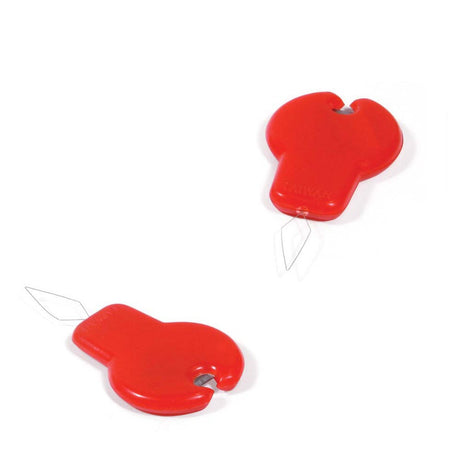
Flatten braided thread like FireLine with pliers or a fingernail, and cut nylon thread at an angle. Pinch the tip and push the needle's eye down onto it, and use only threaders made for beading needles.
Ages 16+. Not intended for use by children. Contains small parts that can be a choking hazard.